Protect the Planet Script: Embroidery Design Review
First Impressions: A Clean, Purposeful Script
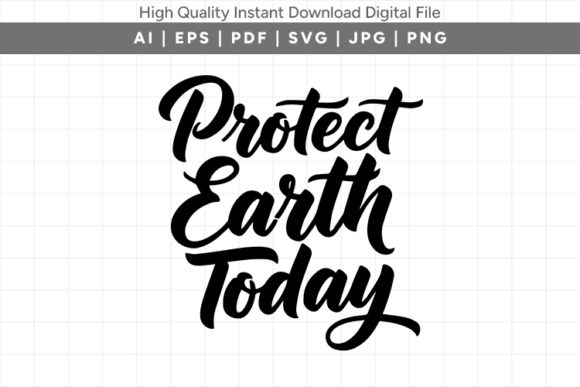
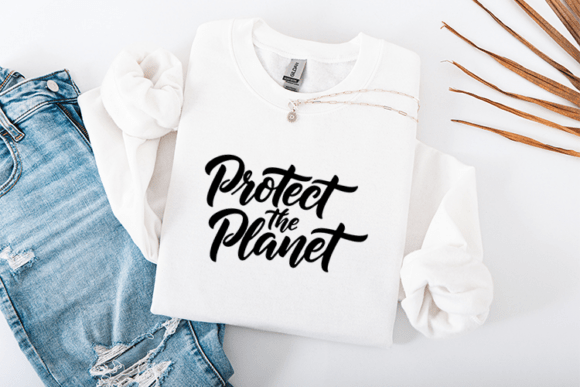
When I first opened the Protect the Planet Script Eco Design, the thing that struck me immediately was its quiet confidence. There is no clutter, no decorative noise pulling attention away from the message. The typography is elegant but still approachable—soft curves, a natural handwritten feel, and just enough character in the letter connections to give it warmth without losing legibility. This is the kind of script that whispers rather than shouts, and for eco-friendly projects, that restraint works beautifully.
As an embroidery designer, I am not just looking at a flat graphic. I am mentally translating each stroke into thread, thinking about stitch angles, pull compensation, and how the loops will behave when sewn onto textured cotton or a knit sweatshirt. The minimal style of Protect the Planet Script Eco Design gives it a head start: there are no tiny jagged edges, no overcomplicated serifs that disappear under a needle, and the lines feel consistent in weight. That means when you bring this into a digitizing software, you are working with a shape that already understands embroidery logic, even if it was originally created as a Graphics file for T-Shirt Designs.
Why This Design Belongs in an Embroidery Studio
Script designs can be risky in machine embroidery. Too thin, and they vanish on fluffy towels. Too dense, and they turn rigid and uncomfortable on wearables. Protect the Planet Script Eco Design lives in a safe zone. The letterforms are smooth and open, with a natural breathing space between the words. That spacing is a huge gift for digitizers, because it reduces the chance of thread bridges snapping or satin stitches merging when stitched at small sizes.
The “Protect The Planet” phrase itself carries a strong, positive message. Environmentally conscious customers are deeply loyal to products that reflect their values. When you stitch this onto a reusable tote bag, a kitchen towel, or an organic baby onesie, you are not just adding decoration—you are giving people a way to wear their ethics. That emotional connection increases the perceived value of your handmade product and encourages repeat purchases, which is something every Etsy seller or craft business owner will appreciate.
Real-World Test: Stitching Protect the Planet on a Canvas Tote
I decided to test this design in a scenario I know many of you face: preparing a small batch of embroidered canvas tote bags for a local eco-market. Tote bags are a staple for environmental awareness products, but their coarse weave and heavyweight fabric can be unforgiving. I took the Protect the Planet Script Eco Design graphic, digitized it with a medium satin stitch and a light underlay, and hooped a natural cotton canvas with a cutaway stabilizer.
Right away, I could see why this design style works. The script’s fluid motion follows the fabric grain without fighting it. The letters stitched out cleanly at a 5-inch width, and because the design is essentially a single-color phrase (with the potential for a second accent color if you add a leaf or subtle earth, though the base is beautifully minimal), the color change count stays low. For production runs, that means time savings without sacrificing the high-end, boutique look.
I watched a few threads that curved tightly near the “t” and “h” connection, but with proper pull compensation dialed in, they settled flat. This is a design that rewards a careful test stitch, and I always recommend practicing on a fabric scrap of the same weight before committing to your final blank. With the right tension and a new sharp needle, the result gave me exactly that handmade, thoughtful feel that customers gravitate toward at craft fairs.
Where the Design Shines — and Where to Use It Carefully
After the tote bag success, I mentally walked this design through a range of other embroidery projects. Here is what I found.
Projects Where Protect the Planet Script Excels
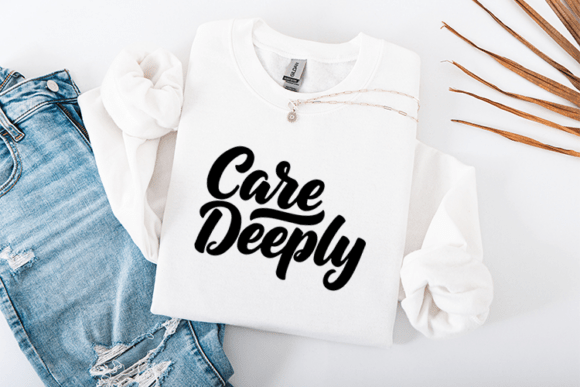
- Custom apparel — it sits beautifully on the left chest of a tee or the center of a sweatshirt. On soft, brushed-back fabric, the script retains a relaxed, organic look.
- Tote bags and reusable shoppers — as mentioned, a perfect match. Pair with earthy thread colors like moss green, oatmeal, or deep navy for maximum impact.
- Kitchen towels and aprons — the phrase feels natural in a home setting, reminding people of mindful living every day.
- Baby items and nursery decor — stitched onto a small pillow cover or a burp cloth, the design reads as gentle and hopeful. Use soft pastel threads for a vintage nursery feel.
- Holiday gifts and personalized products — the eco theme works year-round but especially around Earth Day, or as part of a sustainable gift box. Add a name or a small floral motif to make it even more special.
- Embroidered caps — the script can be curved onto the side or back of a dad cap, though you will want to reduce the size carefully and check the small letter details so they do not fill with thread.
Caution Points for Real-World Embroidery
No design is perfect for every situation, and Protect the Planet Script Eco Design is no exception. Here are the moments when extra testing and judgment become essential.
- Very small hoop sizes — if you downsize the graphic below roughly 3 inches wide, the elegant loops may lose their open centers. A too-tiny “e” or “a” can close up, turning a professional script into a blob. Always do a sew-out on the exact material before listing the product.
- Textured or high-pile fabrics — terry cloth towels and fluffy blankets can swallow the line definition. Use a water-soluble topper to keep the stitch surface crisp, or consider an applique approach using the script as a cut file.
- Stretchy fabrics — on thin jersey knit or performance wear, the satin stitch can ripple if the stabilizer isn’t firm enough. A fusible mesh backing combined with careful hooping prevents distortion.
- Dark fabric backgrounds — the design’s minimal style relies on clear contrast. White or light thread on black cotton looks stunning, but any slight stitch imperfection becomes visible. Test thread tension and stitch density on a black scrap first.
- Layered garments — stitching over a seam, pocket edge, or zipper will break the design flow. Position the script deliberately to avoid garment construction details.
How the Eco Design Affects Product Value and Customer Trust
From a creative business perspective, the visual simplicity of Protect the Planet Script Eco Design actually boosts buyer engagement. Overly intricate designs can confuse the eye, but a clean script lets the message land instantly. When a customer sees your detailed product photo, they immediately connect with the words. That instant recognition can increase click-through rates on Etsy listings and make your craft fair table stand out.
I have noticed that handmade products carrying a deliberate, values-driven text design often command a higher price point—not because the embroidery technique is complex, but because the perceived meaning adds worth. A kitchen towel with “Protect The Planet” stitched in organic cream thread becomes a giftable statement piece rather than just a functional cloth. This emotional layer is exactly what boutique shoppers and gift buyers respond to, and it strengthens brand consistency for shops built around sustainability.
Practical Embroidery Notes from My Test Bench
Before you offer this design on your finished products or sell the digital file, here are my must-do preparation steps. These are the routines I use for every design review, and they will save you hours of frustration.
- Test on scrap fabric first. Use the exact blank you plan to sell—same fiber content, color, and weight. I keep a stack of fabric swatches just for test stitch-outs.
- Check thread color contrast. Try a medium sage green on natural linen, a charcoal on heathered grey, or a pale oat tone on dusty blue. Stay away from low-contrast pairings that make the script hard to read from a distance.
- Review stitch density and pull compensation. If digitizing yourself, start with a standard script density and adjust after the first sew. The design file detail—12 x 12 inches at 3600 x 3600 pixels—gives you a crisp starting point, but embroidery always needs tweaking.
- Confirm your hoop size. The full graphic is large, so for smaller hoops you will need to scale down thoughtfully. Do not simply shrink and digitize without checking the legibility of letters like “e”, “a”, and “n”.
- Inspect tiny loops and joins. Use a magnifying glass after the test sew. Look for thread bridges that may break in the wash, especially in the connecting strokes of the script.
- Test on light and dark fabrics. Create a black-and-white mockup as well as a thread color mockup. What looks airy on a white tee might look invisible on oatmeal canvas. Adjust thread choice accordingly.
- Use the right stabilizer. For garments, a tear-away for wovens, cutaway for knits. For totes, I use a firm cutaway to handle the continual stress of bag use.
- Check licensing terms carefully. The product description provides the size and resolution, but it does not specify commercial embroidery license details. Always reach out to the creator or read the product page thoroughly to ensure you can use the design on items you sell or as part of a digital embroidery file you offer. Overstepping licensing can cause serious legal headaches.
Commercial Use and Branding Potential
If your shop focuses on eco-aware products, the Protect the Planet Script Eco Design can become a signature motif. I can see this script integrated into a line of organic cotton tote bags, tea towels, and zip pouches, each with a consistent thread color palette and packaging that reinforces the Earth-friendly mission. For Etsy sellers, a listing that pairs this embroidery with a handmade soap set or a beeswax wrap kit creates a cohesive gift bundle that tells a story.
When used on uniforms or staff aprons for a sustainable café or a farm-to-table restaurant, the design lends a professional yet grassroots vibe. For boutique branding, the script works well on small sewn labels or patches. Because the design is categorized under T-Shirt Designs and Graphics, you are essentially buying a high-resolution artwork file—perfect for creating printable mockups to use in your shop listings before you even sew a stitch. That digital preview helps customers envision the final product, building trust and lowering return rates.
Final Verdict: A Meaningful Asset for Eco-Conscious Makers
Protect the Planet Script Eco Design is not a complicated showpiece—and honestly, that is its greatest strength. It delivers a message that resonates deeply with today’s buyers, translates reliably onto fabric with careful digitizing, and maintains its grace across a wide range of handmade products. I have stitched enough disappointing script designs to know that simple does not mean easy. This one, however, with its open spacing and balanced letterforms, gives you a solid creative starting point.
For embroidery designers, small shop owners, and crafters who want the thread to carry both beauty and belief, this graphic belongs in your toolkit. Treat it with the same care you would any eco-focused project: test thoroughly, choose threads that honor the earth-tone palette, and market it with the authentic story it naturally carries. Your customers will feel that sincerity, and that is what turns a simple embroidered phrase into a favorite piece they will reach for again and again.